
Missing out on a limited Jordan drop by seconds. Receiving a pair of “authentic” sneakers that turn out to be obvious fakes. These are real frustrations that cost collectors both money and credibility. The sneaker market in 2026 is more competitive than ever, with hype cycles moving fast and counterfeit operations growing smarter. But a clear, step-by-step process changes everything. This guide covers how to prepare, where to shop, how to execute the purchase, and how to verify authenticity so you can build your collection with confidence and zero regret.
Table of Contents
- Prepare for your sneaker hunt: Know your goals and requirements
- Explore purchase channels: Retail, raffles, or resale?
- Master the buying steps: From add to cart to authentication
- Avoid common pitfalls and guarantee authenticity
- Why most guides miss the real sneaker shopping secret
- Find exclusive drops and guaranteed authentic sneakers at Flex Store
- Frequently asked questions
Key Takeaways
| Point | Details |
|---|---|
| Clarify sneaker goals | Knowing your sneaker style, fit, and brand preferences sets the foundation for success. |
| Understand buying channels | Choosing between retail, resale, or in-person shopping affects price, availability, and authenticity risks. |
| Follow authentication steps | Always leverage professional authentication to avoid costly mistakes and guarantee real sneakers. |
| Leverage community insight | Networking with other sneakerheads can boost your odds for rare drops and insider deals. |
Prepare for your sneaker hunt: Know your goals and requirements
Before you open a single browser tab, you need to know exactly what you’re looking for. Jumping into the sneaker market without preparation is how collectors end up overpaying, buying the wrong size, or chasing the wrong releases entirely.
Define your sneaker category first. Sneakers break down into clear use cases:
- Lifestyle (Air Jordan 1, Yeezy Boost, AMIRI Bone Runner): Worn for style, everyday use, or collecting.
- Basketball (Air Jordan 4, Nike LeBron series): Performance-focused, often crossover collector items.
- Running (Adidas Ultraboost, Nike Pegasus): Functional, but some crossover into streetwear.
- Luxury/Designer (Dior B22, Balenciaga Triple S, Christian Louboutin): High price point, strong collector demand.
Knowing your category narrows your search and prevents impulse buys that don’t fit your collection goals.
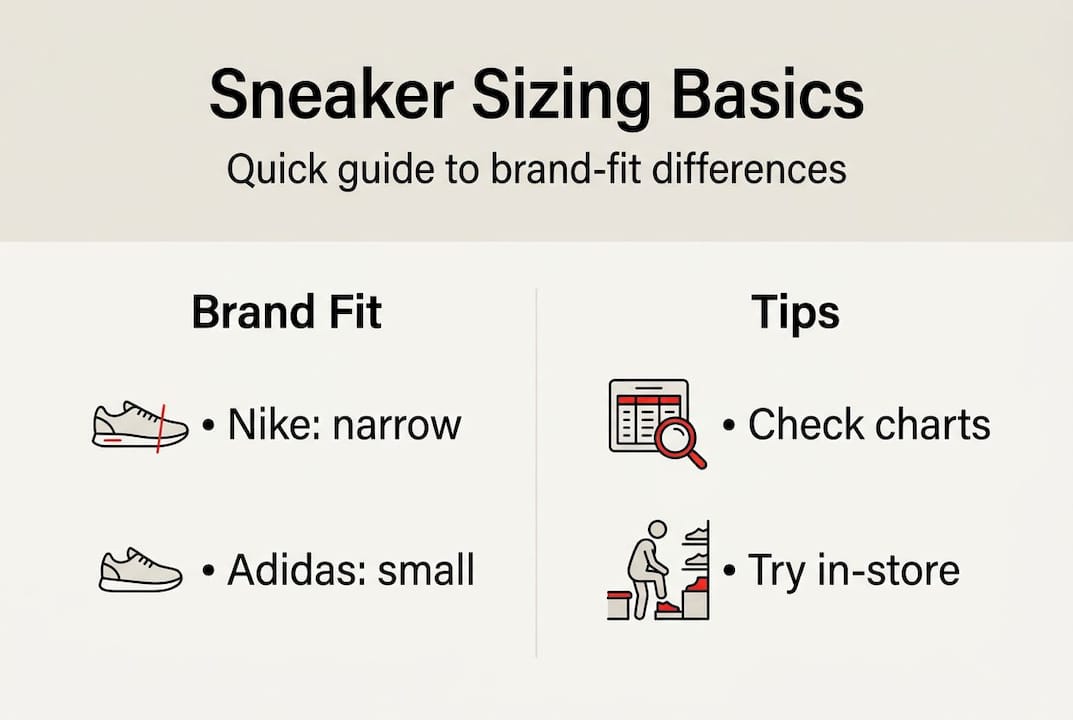
Sizing is critical and brand-specific. Nike runs slightly narrow. Adidas Yeezys often run a half size small. Jordan Brand varies by model. Always check the brand’s own sizing chart before purchasing, especially for online orders where returns can be complicated.
For wide-fit sneaker options, look for brands with wider lasts (the foot-shaped mold used in manufacturing). New Balance and ASICS are known for wide-fit availability, but luxury brands like AMIRI also offer models that accommodate wider feet comfortably.
| Sneaker type | Common brands | Sizing note |
|---|---|---|
| Lifestyle | Nike, Adidas, Jordan | Check per model |
| Basketball | Jordan, Nike | Often true to size |
| Running | ASICS, New Balance | Wide options available |
| Luxury | Dior, Balenciaga, AMIRI | Size up half a size |
For high-demand releases, the preparation goes deeper. Limited drops and raffles require using brands with wide lasts for fit, entering raffles or using bots for limited drops, and avoiding fakes through professional authentication. Set up accounts on Nike SNKRS, Adidas Confirmed, and brand apps well before a drop. Enable notifications. Know the exact release time.
Pro Tip: Build a release calendar using apps like Sole Retriever or Sneaker News. Mark drop dates at least two weeks out so you have time to prepare your accounts and payment info.
Resources to gather before you shop:
- Your confirmed size across Nike, Adidas, and Jordan sizing charts
- A set budget that includes potential resale premiums
- A shortlist of target models with retail prices noted
- Authentication reference images from trusted sneaker communities
Explore purchase channels: Retail, raffles, or resale?
With your goals and sizing locked in, the next decision is where to buy. Each channel has a distinct process, cost structure, and risk profile.
Retail drops are the gold standard for price. Buying at retail means paying the original manufacturer’s suggested price, which is always lower than resale. The challenge is competition. Nike SNKRS, Adidas Confirmed, and retail sneaker shopping through brand websites all use high-traffic drops where thousands of buyers compete simultaneously. Speed and preparation win here.
Raffles reduce the pure speed advantage by randomizing selection. Retailers like END., Foot Locker, and select boutiques run raffles for limited releases. You enter your details, and winners are selected randomly. This levels the playing field but offers no guarantee.
Resale platforms like StockX and GOAT exist for buyers who miss retail. The StockX buying process includes retail drops via SNKRS and stores, raffle entry, and resale through platforms that offer authentication guarantees. Resale fees typically add 10 to 30% over retail price, which is a significant premium on already expensive shoes.
| Channel | Price | Availability | Authentication |
|---|---|---|---|
| Retail drop | Lowest | Hard to secure | None needed |
| Raffle | Retail price | Random chance | None needed |
| Resale (StockX/GOAT) | 10-30% above retail | High | Multi-point inspection |
| In-person resale | Varies | Moderate | Inspect yourself |
In-person buying at sneaker conventions or local markets lets you physically inspect the pair before committing. This is valuable for high-ticket items. However, scam risk is real. Never buy from someone who won’t let you inspect the shoe fully, check tags, and compare against reference images.
Stat: Resale platform fees typically add 10 to 30% over retail, making retail drops the best value option when accessible.
Numbered steps for choosing your channel:
- Check if the sneaker is still available at retail or through a raffle.
- If sold out at retail, compare prices across StockX and GOAT.
- Factor in platform fees and shipping before committing to a resale price.
- For luxury items, consider in-person inspection at a reputable dealer.
- Confirm the platform’s authentication policy before placing any order.
Master the buying steps: From add to cart to authentication
Knowing where to buy is only half the process. Execution matters just as much, and small mistakes can cost you the pair entirely.
For online retail drops:
- Create your account and save payment info at least 48 hours before the drop.
- Enable autofill for your address and card details in your browser.
- Log in 10 minutes before the drop time. Do not wait until the last second.
- Have the product page open and refresh at the exact drop time.
- Complete checkout as fast as possible. Do not second-guess size during the process.
For raffles:
- Find the retailer’s raffle entry page (usually posted 3 to 7 days before release).
- Enter your correct size and shipping details. Errors disqualify your entry.
- Set a reminder for the winner notification date.
- If selected, complete payment immediately. Most raffles have tight payment windows.
For resale platforms:
- Compare the same model across StockX and GOAT for the best price.
- Choose “Buy Now” for immediate purchase or place a bid below asking price.
- Review the seller’s rating and transaction history before confirming.
- Top-rated sneaker releases on resale platforms often sell fast, so act decisively once you’ve confirmed the price is fair.
Authentication is built into platforms like StockX and GOAT. The StockX authentication process includes a multi-point inspection covering stitching, tags, sole construction, and box details before any pair ships to the buyer.
“Authentication includes multi-point inspection covering materials, construction, and labeling. Buyers should never skip this step, regardless of the seller’s reputation.”
Pro Tip: Always review seller ratings and transaction protection terms before completing any resale purchase. A platform with buyer protection means you can dispute a failed authentication without losing your money.
Avoid common pitfalls and guarantee authenticity
Even experienced collectors make mistakes. The sneaker market moves fast, and scammers adapt constantly. Knowing the common traps keeps your money and collection safe.
Top mistakes to avoid:
- Buying without confirming your size in that specific model
- Skipping authentication on high-value purchases
- Trusting social media sellers without verified transaction history
- Paying via methods with no buyer protection (cash apps, wire transfers)
- Ignoring box condition, which is a key authenticity indicator for collectors
Signs of counterfeit sneakers:
- Uneven stitching or glue marks along the sole
- Tags with incorrect font, spacing, or missing details
- Off-color materials that don’t match official product images
- Lightweight feel compared to authentic pairs (fakes often use cheaper foam)
- Box labels with typos or incorrect model numbers
Professional authentication services like Legit Check App or CheckCheck provide expert review using photos you submit. For spotting authentic sneakers, use platforms with built-in authentication guarantees as your first line of defense. If buying from an individual, always require professional authentication before transferring payment.
“Retail offers the best value; resale offers access to rare pairs. StockX is transparent but fees add 10 to 30%. Direct retail avoids fees but is harder to secure for limited releases.” (StockX Buying Guide)
What to do if you suspect a fake:
- Do not wear the shoes. Wearing them can void return or dispute options.
- Document everything with photos before contacting the seller or platform.
- Request a full refund through the platform’s buyer protection process.
- Submit to a professional authentication service for an official verdict.
Why most guides miss the real sneaker shopping secret
Checklists and step-by-step processes are useful. But the collectors who consistently land the best pairs at the best prices aren’t just following guides. They’re plugged into networks that most articles never mention.
Discord servers dedicated to specific brands or release types share drop alerts, raffle links, and authentication tips in real time. These communities often have information hours before it appears on mainstream sneaker news sites. Timing is everything. Missing a raffle entry window by 30 minutes can mean paying 40% over retail on resale.
The newest tactic gaining traction in 2026 is collaborative buying. Groups of collectors pool raffle entries, increasing the odds that at least one member secures a pair. Trades and group orders through trusted exclusive release communities reduce individual risk and expand access to limited inventory.
Most guides focus on the transaction itself. The real edge comes from the relationships and information networks built before the drop even goes live. That’s what separates collectors who consistently win from those who always seem to be one step behind.
Find exclusive drops and guaranteed authentic sneakers at Flex Store
Ready to put your new skills into practice? Flex Store carries authenticated sneakers from top brands including Nike, Adidas, Yeezy, Jordan, Dior, BAPE, Balenciaga, and Christian Louboutin. Every pair is verified genuine, with buyer protection built into every order.
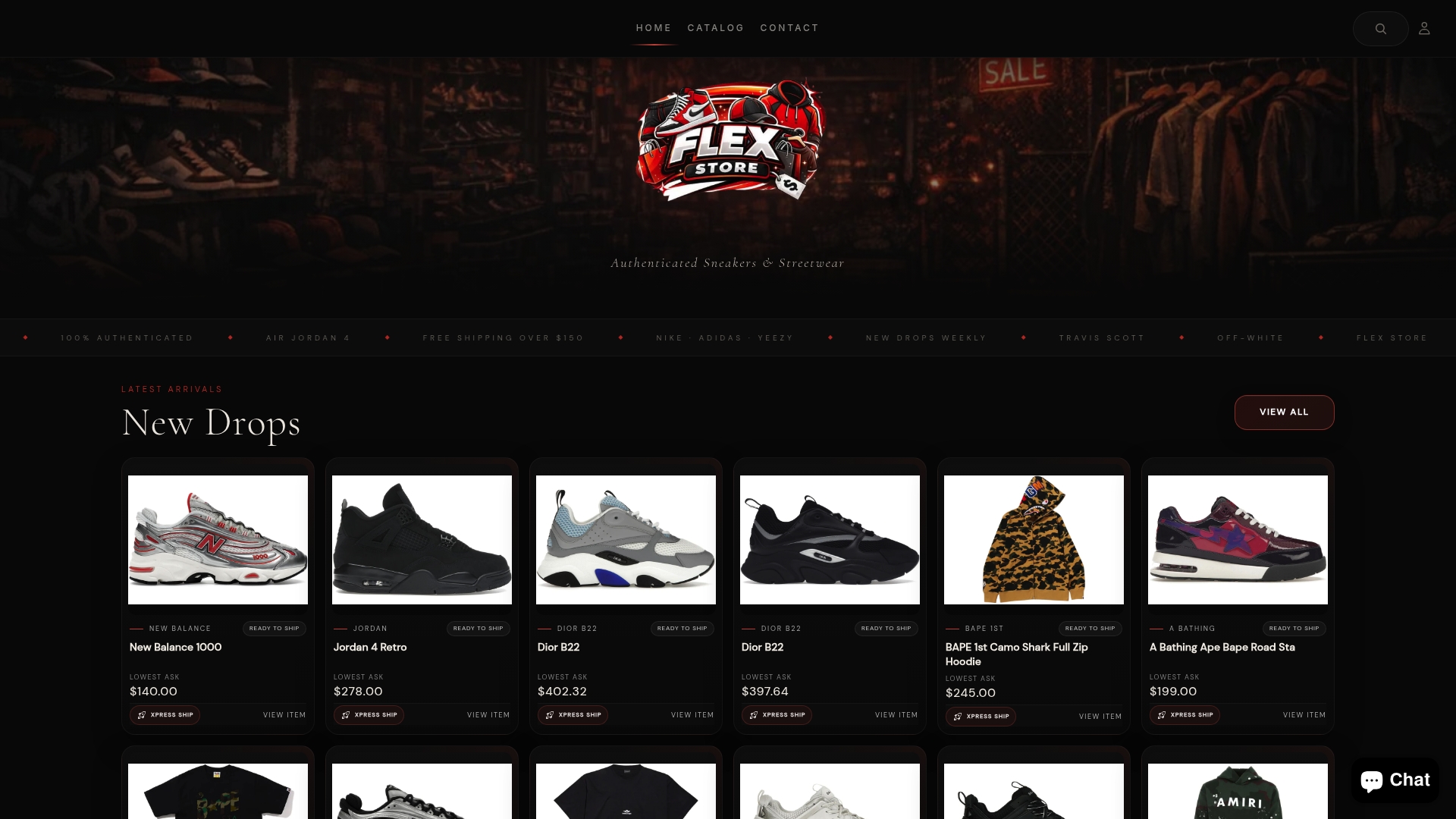
Shop the latest sneaker drops and browse new arrivals updated regularly. Whether you’re after a grail piece or a reliable everyday pair, the catalog covers lifestyle, luxury, and limited releases. Check out the AMIRI Skel Toe Lace Up as a starting point. First-time buyers can access exclusive discounts, and rapid shipping options mean your next pair arrives fast.
Frequently asked questions
What are the best places to buy authentic sneakers online?
Your top options are retail drops via SNKRS or brand sites, raffles through select retailers, and trusted resale platforms like StockX and GOAT that include authentication with every purchase.
How can I avoid buying fake sneakers?
Always use platforms with built-in authentication guarantees, and for individual sellers, require a professional legit check before sending any payment.
What is the difference between buying retail and resale?
Retail means lower prices but limited availability, while resale adds 10 to 30% in fees in exchange for access to sold-out and rare pairs.
How do sneaker raffles work?
You submit your size and contact details with a retailer for a chance to purchase limited release pairs, with winners selected randomly to keep the process fair.